
First Stop Health
First Stop HealthMedical
4.8143.00 Reviews
- Version
- 4.117.0
- Installs
- 100.00K
- Age Rating
- Everyone
Screenshots
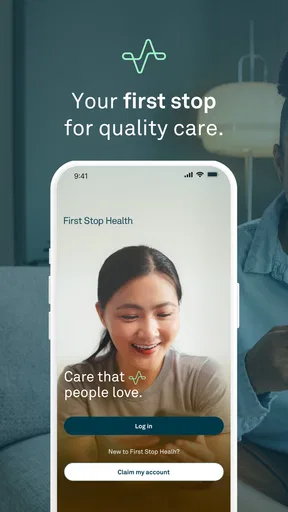
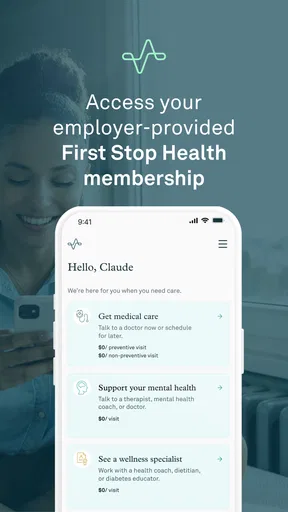
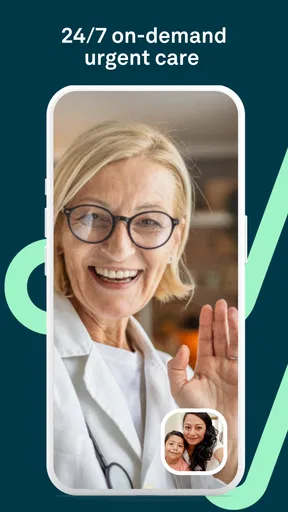
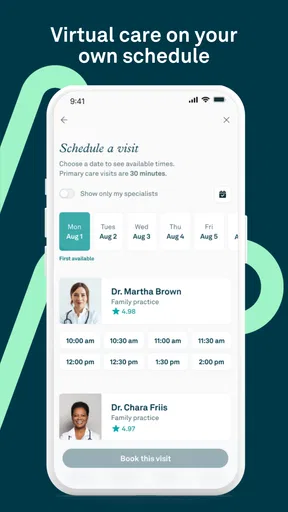
Our Review of First Stop Health
 Analysis by Appyee
When a health question appears at an inconvenient hour, the hardest part is often deciding what to do next. A mild rash, a lingering sore throat, or a medication question may not justify an emergency visit, yet waiting several days for a routine appointment can be frustrating. First Stop Health is built around that gap: it is a free medical app from First Stop Health that lets users consult a physician around the clock about non-emergency health concerns.
I see it as a practical first step rather than a complete replacement for a primary-care relationship. The appeal is immediate access and a focused purpose, while the important limitation is equally clear: this is not the tool for a life-threatening situation or a problem that needs an in-person examination. Used with that distinction in mind, it can make everyday healthcare decisions less stressful.
How First Stop Health feels in everyday use
The app’s central idea is refreshingly simple. Instead of searching through symptoms and trying to interpret anonymous advice, I can use a digital route to reach a physician for a non-emergency issue. That changes the experience from self-diagnosis to guided conversation, which is especially useful when several ordinary conditions look alike.
A realistic example would be waking up with congestion, a headache, and a sore throat before work. I might not need an emergency department, but I may still want to know whether self-care is reasonable, whether I should stay home, or whether the symptoms deserve a proper appointment. First Stop Health gives that situation a more structured next step than browsing search results late at night.
The app belongs in the medical category, and its age rating is Everyone, making the presentation approachable for a broad audience. It is free to install, which removes an obvious barrier when someone is deciding whether to keep a healthcare tool available on a phone. That does not mean every medical service connected with an app is automatically suitable for every person or situation, so I would still check the practical terms of access available to me before relying on it.
One of the strongest details is the stated availability of physician consultations 24/7. For people who work irregular hours, travel between time zones, care for children, or simply become ill outside office hours, that schedule matters more than decorative extras. The value is not that the phone replaces a clinic; it is that the first conversation can happen when a conventional appointment is unavailable.
The right way to approach a consultation
I would prepare before opening a consultation. Writing down when the symptoms began, what has changed, any temperature reading, current medicines, allergies, and relevant medical history can make the conversation more useful. A rushed message containing only “I feel sick” leaves too much room for misunderstanding, while a short timeline gives the physician something concrete to assess.
It is also worth deciding what answer I actually need. Am I trying to understand whether home care is reasonable? Do I need guidance about whether to contact my regular doctor? Am I unsure whether a symptom has crossed into something urgent? Clear questions help keep a remote consultation focused and reduce the temptation to treat it as a general-purpose diagnosis machine.
My most important practical tip is to keep expectations realistic. A physician working remotely can ask questions, consider the information provided, and discuss an appropriate next step, but a phone cannot perform every examination. If the concern depends on seeing, touching, listening to, or testing something in person, the consultation may be most useful as a triage point rather than the final answer.
Where it fits beside familiar alternatives
The usual alternatives each solve a different part of the problem. A search engine is fast, but it often produces alarming possibilities without understanding the person asking. A primary-care appointment offers continuity and a fuller record, but it may not be available immediately. An urgent-care clinic can examine someone directly, yet traveling there takes time and may be unnecessary for a minor concern. An emergency department is designed for serious situations, not for every uncertainty that appears after hours.
First Stop Health sits between those options. Its advantage is the chance to speak with a physician before choosing whether to wait, book an appointment, visit a clinic, or seek urgent help. That makes it particularly useful for uncertainty. It is less compelling when I already know that I need a physical examination, a procedure, a test, or ongoing treatment from a clinician who knows my history.
There is also a difference between convenience and continuity. A remote consultation can be excellent for a single, straightforward question, but a long-term condition often benefits from a consistent care team that can track changes over time. I would use this app to supplement that relationship, not to abandon it.
What the current release tells me about the product
The current version is 4.117.0, and the app has been available since August 11, 2017. That history suggests a product that has had time to develop beyond a brand-new experiment. At the same time, a version number by itself does not tell me which individual screens or workflows changed in a particular update, so I would judge the present experience by how clearly it handles the consultation journey rather than by the number alone.
Its public reception is encouraging: the app holds a 4.8 average from around 838 ratings, with more than 100,000 installs. Those figures indicate that many people have found the service worthwhile, but they should not be mistaken for a guarantee that every consultation will feel identical. Medical questions vary widely, and satisfaction can depend on the urgency, complexity, and clarity of each case.
The developer, First Stop Health, is also the name users encounter as the service provider behind the app. That makes the product feel more focused than a general marketplace containing unrelated medical services. The benefit of that focus is a clearer purpose. The trade-off is that someone looking for a broad collection of specialist tools, wellness tracking, or extensive self-management features may find the scope narrower than expected.
How product evolution affects existing users
For an existing user, the most useful way to think about an updated release is not “does it have a new number?” but “does it make my next healthcare decision easier?” A mature medical app should reduce friction around starting a consultation, explaining symptoms, and understanding what to do afterward. If those steps remain clear, incremental changes can improve confidence without requiring users to relearn the entire service.
I would still review the app after an update before an actual health need arises. Open it when I am well, confirm that I can reach the consultation area, check that my account details are current, and make sure I understand where urgent situations belong. This is a small habit, but it prevents the worst time to discover a sign-in or navigation problem: when I am tired, worried, or caring for someone else.
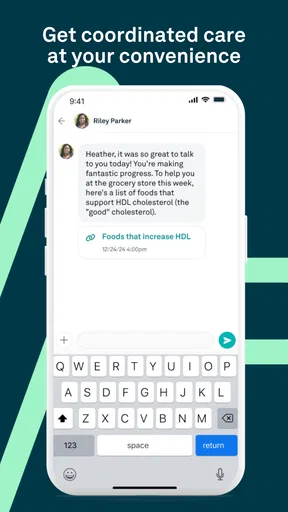
Another useful workflow is to treat the consultation as part of a wider plan. After speaking with a physician, I would note the recommended next step in my own records and set a reminder if follow-up is needed. The app may help with the initial conversation, but personal organization still matters when symptoms continue or a regular appointment is advised.
Families may also need a little extra preparation. When asking about a child or another person, I would have their age, symptoms, timing, medicines, and any relevant background ready. The Everyone rating makes the app broadly approachable, but the person using it should not assume that a simple interface removes the need to provide accurate information about the patient.
Small decisions that make remote care safer
One non-obvious advantage of a physician consultation is that it can interrupt a cycle of guessing. I might be tempted to switch between several over-the-counter products after reading conflicting advice online. A focused conversation can instead help me organize what I have already tried and what changed afterward. I would bring that information into the consultation rather than presenting each symptom as if it appeared independently.
A second useful tactic is to describe function, not only labels. Saying “my cough keeps me awake and I become short of breath walking across the room” is more informative than simply saying “bad cough.” Concrete effects, timing, and changes often give a remote clinician a better basis for deciding how quickly I should seek hands-on care.
A third trade-off is speed versus detail. The attraction of an anytime service is that I can begin promptly, but rushing through the intake may weaken the result. I would rather spend a few minutes gathering an accurate timeline than start immediately with incomplete information and then need to repeat the story.
Finally, I would keep a boundary between reassurance and resolution. If a physician recommends monitoring, that is not permission to ignore worsening symptoms. A remote consultation is a point in a decision process. If the situation changes, the original advice may no longer fit, and I should seek a new assessment through the appropriate channel.
Where the app still has limits
The biggest gap is inherent to remote care: not every problem can be assessed well without an examination. Injuries, severe pain, rapidly changing symptoms, breathing difficulty, and other potentially serious concerns should not be delayed while someone tries to make an app work. In an emergency, local emergency services are the correct choice.
There is also a continuity gap compared with a personal doctor. A regular clinician may know my history, previous test results, treatment response, and broader context. A single remote consultation can be convenient, but I may need to explain that context carefully. For recurring symptoms or complicated conditions, the app is better viewed as an access point or bridge than as the sole place for care.
Another limitation is emotional. Some people feel more comfortable discussing a sensitive issue face to face, while others prefer the distance of a phone. Neither preference is wrong. I would choose First Stop Health when the remote format helps me speak openly and act promptly, but I would choose an in-person appointment when examination, privacy concerns, or a deeper relationship matters more.
Users should also be prepared for the possibility that the consultation ends with a recommendation to use another service. That is not necessarily a failure. If the physician directs me to a clinic, a regular doctor, or urgent help, the app has still done something valuable by helping identify the next level of care. The mistake would be judging it only by whether it solved the issue inside the app.
Who should use it and who should skip it
I would recommend trying it to adults who want a convenient way to discuss ordinary, non-emergency health concerns outside normal appointment hours. It is especially sensible for people with changing schedules, limited access to nearby clinics, or a tendency to spend too long searching symptoms online before asking a professional.
It may also suit someone who wants a backup option on a phone without paying for the download. Keeping a free medical access tool available can be worthwhile even if I use it only occasionally. The benefit is greatest when I decide in advance how it fits into my care plan rather than downloading it in a panic.
I would skip it as the primary option if I know I need a physical examination, testing, a procedure, or ongoing management from a familiar specialist. I would also not use it to delay emergency care, confirm a serious diagnosis by myself, or replace instructions from a clinician who is already treating a complex condition.
For people who dislike remote consultations altogether, the app may feel like an unnecessary extra step. In that case, a local clinic or established primary-care service could be a better match. The strongest reason to choose this app is not that it does everything; it is that it offers physician access at a moment when ordinary routes may be inconvenient.
What I would watch in future updates
As the product continues to evolve, I would pay attention to whether the consultation path becomes even clearer for first-time users. The most meaningful improvements would be practical: helping people describe symptoms accurately, making the boundary between non-emergency care and urgent care unmistakable, and making follow-up instructions easy to understand after the conversation ends.
I would also watch how well the app serves returning users without making the experience feel complicated. A useful balance would let someone begin quickly while still encouraging the details that physicians need. For a medical service, thoughtful friction can be protective, but unnecessary friction can push a worried person back toward unreliable self-diagnosis.
Privacy and trust will remain important considerations for any health app, even when the immediate experience is convenient. I would want to feel confident about where my information goes and how the service fits with my wider healthcare arrangements. Those questions are part of choosing a medical tool responsibly, not an afterthought.
Overall, I find First Stop Health most convincing as a calm, accessible first conversation for non-emergency concerns. Its free availability, physician-focused purpose, and around-the-clock access make it more useful than a symptom search when I am unsure what level of care I need. The app does not remove the need for clinics, emergency services, or a regular doctor, and that is exactly why I would use it with clear boundaries.
My recommendation is to keep it as a backup for everyday medical uncertainty, not as a substitute for complete healthcare. If you prepare your symptoms carefully and understand when remote advice is not enough, it can save time and help turn worry into a sensible next step. For that specific role, First Stop Health is a worthwhile medical app to have ready before you need it.
Verdict
Strengths of First Stop Health
- Virtual visits make common healthcare questions easier to handle remotely.
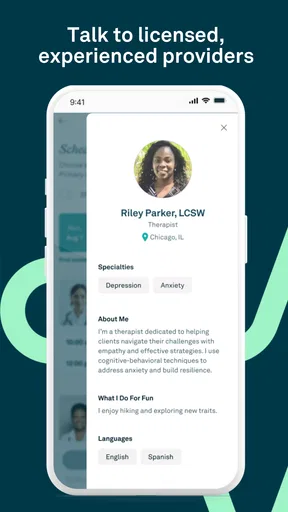
- Access to licensed providers can save time compared with an in-person appointment.
- The service may help clarify whether symptoms need urgent medical attention.
- Useful for employees who want convenient support outside regular clinic hours.
- Digital consultations can reduce travel and waiting-room exposure.
Limitations of First Stop Health
- Availability and services may depend on your employer’s health plan.
- It is not a replacement for emergency care or complex medical treatment.
- Some conditions still require an in-person examination or testing.
- Provider response times may vary during busy periods.
- Privacy and account access depend on your employer and app setup.
Similar Picks in This Category
View All
WebMD: Symptom Checker
WebMD, LLC4.1

Microphone Amplifier
DOSA Apps4.2

Anatomy Learning - 3D Anatomy
3D Medical OU4.5

Period Tracker and Calendar
SimpleInnovation4.9

GoodRx: Prescription Coupons
GoodRx4.8

CVS Health
CVS Pharmacy4.5
Frequently Asked Questions
What is First Stop Health, and what services does it provide?
First Stop Health is a virtual healthcare service that connects eligible users with medical professionals through digital appointments. Depending on the plan provided by an employer or health program, it may offer telemedicine consultations, mental health support, and assistance with common medical concerns. Available services, consultation types, and provider access can vary by location and membership, so users should check their eligibility before downloading.
Is First Stop Health free to use?
The First Stop Health app may be available to download without an upfront charge, but access to consultations and other services depends on your employer-sponsored plan, insurance arrangement, or membership. Some users may receive fully covered appointments, while others could have limits, copayments, or excluded services. Review your benefits information or contact your plan administrator to confirm possible costs before using the app.
Do I need an account or an employer invitation to use First Stop Health?
In most cases, First Stop Health is intended for members who receive access through an employer, health plan, or participating organization. You may need to register using personal details, an eligibility code, or information connected to your benefits. The app is not necessarily open to every user without restrictions, so downloading it alone may not guarantee access to consultations or all available features.
Can I use First Stop Health for emergencies or serious medical problems?
First Stop Health is designed for convenient virtual care and support, not for life-threatening emergencies. If you experience severe chest pain, difficulty breathing, uncontrolled bleeding, loss of consciousness, or another urgent condition, contact local emergency services or go to the nearest emergency department immediately. Virtual providers may also direct you to in-person care when an examination, testing, or treatment cannot be safely completed online.
What devices and information are needed to use First Stop Health?
To use First Stop Health effectively, you generally need a compatible Android or iOS device, a stable internet connection, and permission to use features such as the microphone and camera during virtual visits. You may also be asked to provide your date of birth, contact information, medical history, symptoms, and insurance or eligibility details. Keeping the app updated can help improve compatibility and appointment reliability.
